文
A

In its first week of open beta in China, Lord of Mysteries recorded 1.09 million iOS downloads and approximately US$3.99 million in revenue. It made a solid start, but for a product with an investment measured in hundreds of millions of yuan, long-term operations and overseas expansion will be the real tests.
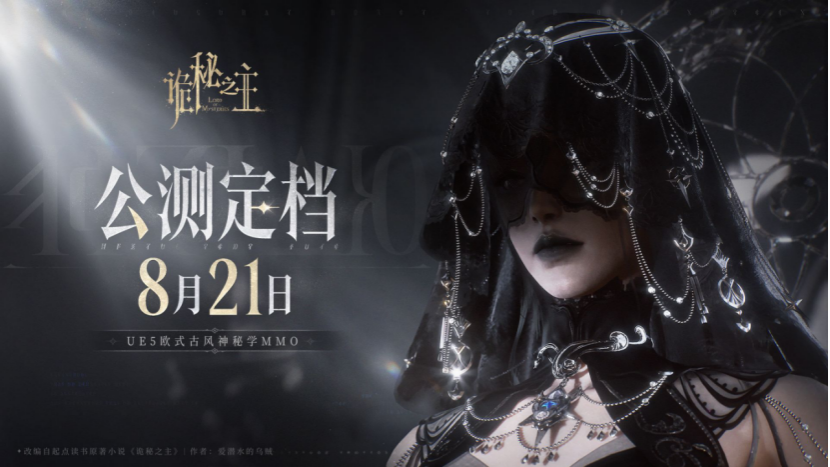
Few new games this year have been willing to bet a billion-yuan-level investment on an MMO. Lord of Mysteries, which entered open beta on August 21, is probably one of the most closely watched among them.
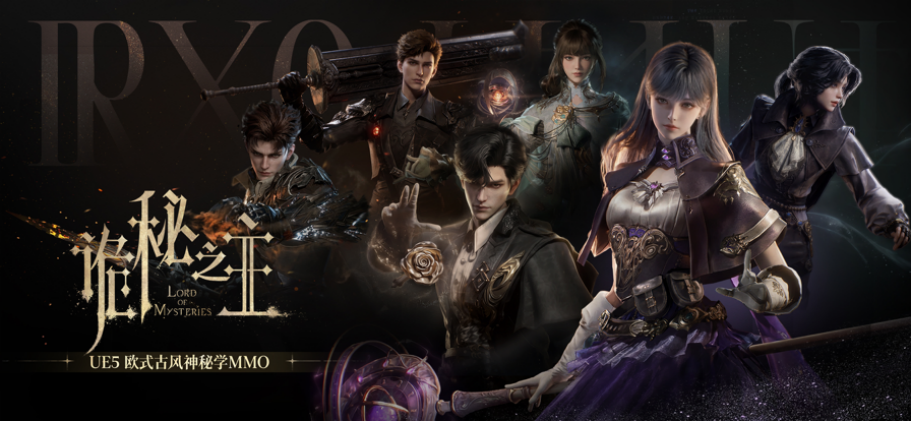
The product carries a long list of heavyweight labels: developed in-house by Kuaishou subsidiary Tanzhi Universe, officially licensed by China Literature, built with UE5, supporting cross-platform play, and positioned as a European-inspired occult MMORPG. The project team has also repeatedly cited figures including '624 people' and 'RMB 1.2 billion in total investment.' Such information can easily steer the discussion toward the narrative of a blockbuster production, but what truly merits attention is how the market receives the game after launch, how its gameplay concepts are implemented, and what it means for Kuaishou's gaming business.
The last point is especially important. Over the past several years, Kuaishou Games has entered through mini-game platforms, game livestreaming, and content distribution, before moving into team investments, licensed publishing, and the establishment of in-house studios. The journey has had its share of ups and downs, but the company has continued to lack a product capable of representing its development capabilities over the long term. In a sense, the open beta of Lord of Mysteries is a concentrated test of whether Kuaishou's gaming business can return to center stage in the industry.
What development and testing process did the product undergo? How is its iOS version performing in China? Does its gameplay offer a new IP-driven approach to MMOs, or is it a thematic wrapper around a mature MMO framework? And where does Kuaishou Games stand today? Diandian Global examines these questions one by one below.
01
Four Years of Development and Three Tests in Six Months: Lord of Mysteries Finally Enters Open Beta
Nearly RMB 30 Million in First-Week iOS Revenue, Accounting for Only 15% of Total Revenue
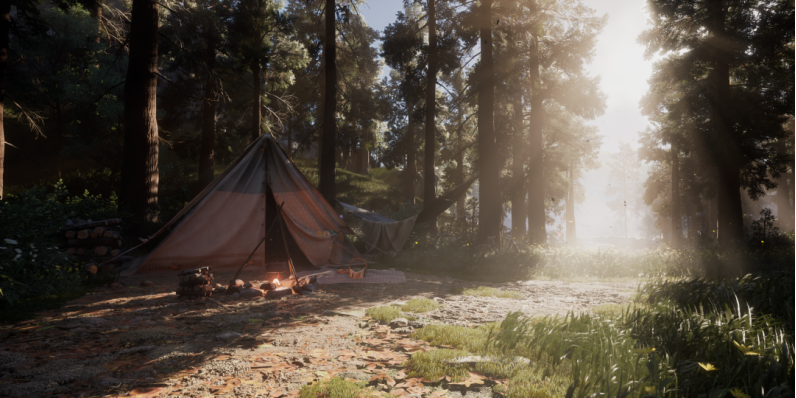
According to multiple sources and public statements from the project team, development and project planning began around 2022. The team chose UE5, but the engine's mobile support was not yet mature at the time, requiring substantial subsequent investment in mobile rendering, large numbers of simultaneous on-screen players, and cross-platform adaptation.
The project was first publicly revealed in February 2023 as a Lord of Mysteries-related game, after which it remained under relatively low-frequency exposure for an extended period. In March 2024, it received a Chinese online game publishing license and released its first gameplay footage. A small-scale confidential test followed in the second half of that year.
The cadence changed noticeably this year. In February, the game launched the limited, non-monetized, data-wipe 'Crimson Test' on PC, fully showcasing the city of Tingen, the main storyline, Pathway classes, and combat system for the first time. On June 26, it launched the limited, monetized, data-wipe 'Gray Fog Test' across PC, iOS, and Android, focusing on monetization, cross-platform adaptation, and multiplayer content. The company then began speaking frequently about team size, development costs, the producer's background, and UE5 technical challenges, building anticipation for the August 21 open beta.
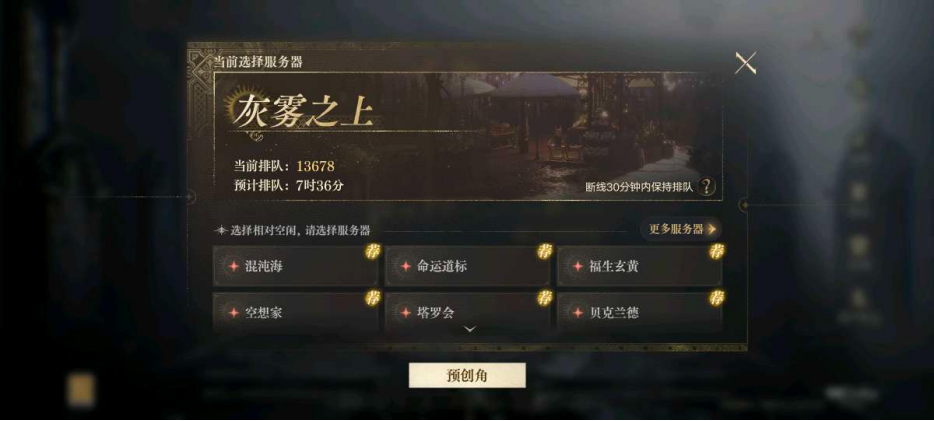
From a chronological perspective, the game spent most of its development in a relatively closed state and only completed its first public test, monetized test, and open beta in rapid succession during the six months before launch. This approach prevented premature exposure, but also compressed the time available to collect public feedback and make adjustments. Server queues, registration circuit breakers in certain server groups, and emergency capacity expansion on the first day of open beta also indicate that the project had underestimated launch demand.
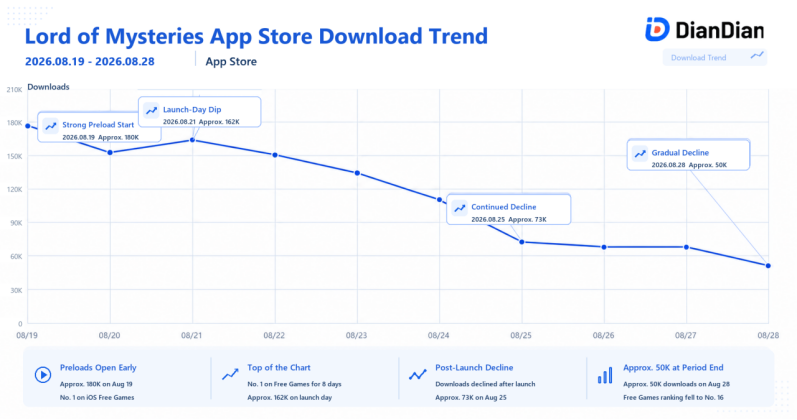
In terms of market performance, iOS pre-download opened two days early on August 19. The game immediately topped the iOS free games chart with 180,000 downloads on the first day and held the No. 1 position for eight days. Daily downloads dipped slightly on the open-beta launch day but remained at 162,000, then gradually declined to around 50,000. The title has since fallen to No. 16 on the iOS free games chart.
On the iOS revenue side, the game generated approximately US$344,000, or RMB 2.48 million, on the first day of open beta and ranked No. 25 on the iOS top-grossing games chart. Daily revenue rose to a period high of US$667,000, or RMB 4.8 million, on August 23 and remained near that level for the next two days. It began to decline slightly on August 26 and is currently estimated at around US$430,000, or RMB 2.92 million, ranking No. 32 on the top-grossing games chart.
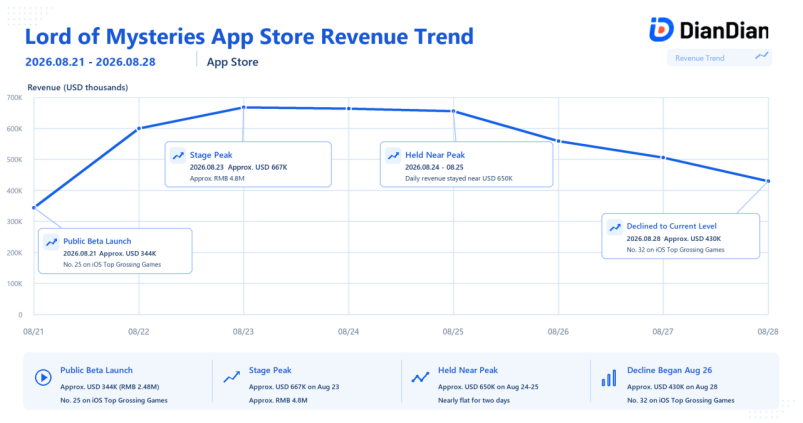
As of August 28, after eight days of open beta, the game had accumulated approximately 1.14 million iOS downloads, including about 1.09 million in its first week. Total iOS revenue reached roughly US$4.42 million, or nearly RMB 30 million, including first-week revenue of US$3.99 million, or approximately RMB 27 million.
It should be noted that these figures cover only the iOS version in China. The project team previously stated that iOS accounts for approximately 15% of total revenue, with the remainder coming mainly from PC and the official Android package. The company also disclosed user-side data: 'new users exceeded 1 million within one hour of launch, concurrent users surpassed 700,000, and cumulative new players approached 5 million on the second day of open beta.' These figures demonstrate strong initial user inflow and mobilization by the IP.
02
The IP Establishes Distinctiveness and Is Naturally Suited to Game Adaptation
Differentiation Comes From Theme and Art, but the Foundation Remains a Traditional MMO
The game's ability to achieve this result is connected not only to Kuaishou's overwhelming, large-scale marketing campaign, but also to the product itself.
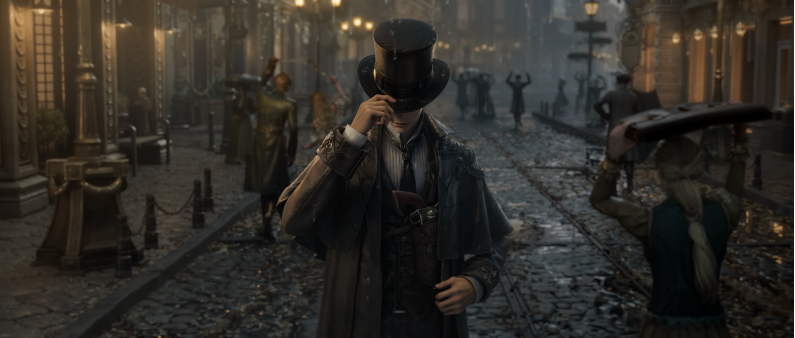
Lord of Mysteries benefits first from the momentum of its IP. The original novel, written by Cuttlefish That Loves Diving, has considerable influence in online literature and an active fan base. Its steampunk setting, Lovecraftian occultism, Victorian cities, 22 Pathways to divinity, potion-based advancement, and acting method all possess strong potential for game adaptation. These elements can provide class systems, progression paths, and room for long-term content updates, while also helping the product escape the thematic homogenization of martial-arts and xianxia settings common in Chinese MMOs.
Rather than letting players directly take the role of Klein, the game runs a personal main storyline alongside retrospective retellings of the original novel. Players enter Tingen as a 'Newborn' and experience their own Beyonder story, while content such as 'Above the Gray Fog' recreates key events from the novel. This design accommodates existing fans' expectations for classic storylines while leaving room for original side quests, city exploration, and multiplayer content.
In terms of gameplay, it remains fundamentally a content-heavy MMORPG.
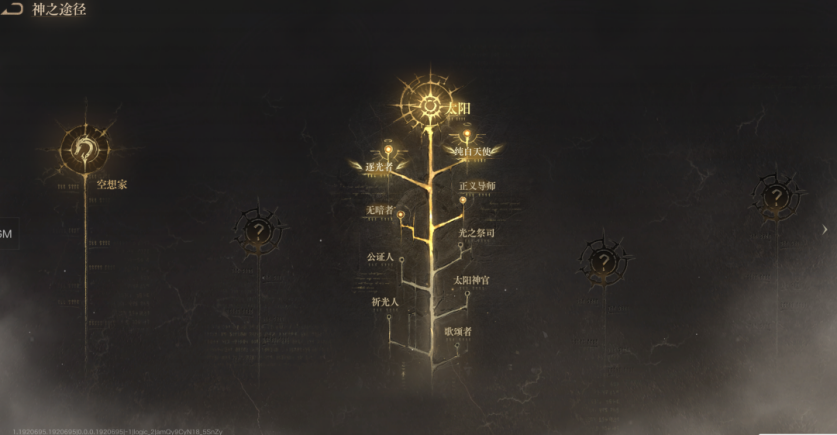
The game converts the novel's Pathways into a class system. At open beta, six Pathways are available: Seer, Warrior, Spectator, Bard, Mystery Pryer, and Apprentice. Settings such as potions, Sequence advancement, the acting method, and Sanity package the progression experience. Players advance through main quests, side quests, and exploration in Tingen; participate in solo and multiplayer dungeons, hundred-player boss battles, PvP, GvG, religious orders, families, and castle management; and pursue long-term progression through equipment attributes, connections, marionettes, Sealed Artifacts, cosmetics, and other content.
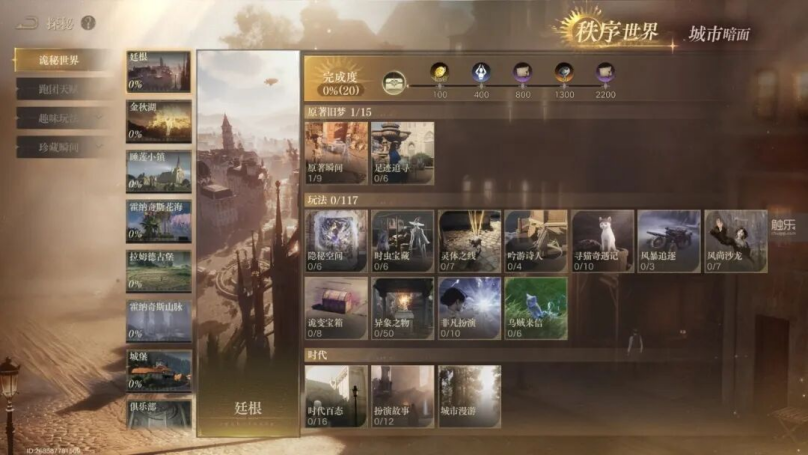
One distinctive aspect is that the game genuinely attempts to embed IP mechanics into gameplay, including switching between the city's 'World of Order' and 'Dark Side,' tabletop-RPG-style dice checks, pressure from the Sanity system, side effects of Sealed Artifacts, and acting missions. Based on most player feedback, however, it has not fully broken away from the traditional MMO framework. Daily activities, dungeons, progression, social systems, and battlegrounds remain its primary structure.
Overall, Lord of Mysteries derives most of its differentiation from its theme, visual production values, translation of IP concepts, and large-scale cross-platform content, rather than from a complete reconstruction of the underlying MMO loop. Its opening performance is indeed solid, but for an MMO, the factors that truly determine its position are not the first few days after open beta. They are retention after 30 days, 90 days, and even six months; the supply of version updates; the social ecosystem; and the balance of monetization.
03
From Platform, Investment, and Publishing to In-House Development
Kuaishou Games Has Traveled This Road for Nearly a Decade
Finally, although Lord of Mysteries is Kuaishou's first ultra-large-scale hardcore game, the company began building its presence in the gaming industry much earlier. In some respects, its path closely resembles ByteDance's: first leveraging traffic accumulated through a short-video platform to enter game content and distribution, then gradually extending upstream through investment, publishing, and in-house development.
Public information shows that Kuaishou began experimenting with gaming around 2017. In 2018, it launched the casual gaming platform Kuaishou Dianwan, bringing mini games and gaming content into its ecosystem. The platform's monthly active users once reached 20 million. At this stage, Kuaishou's core advantages remained its platform and traffic, while games mainly served as an extension of content consumption and monetization.

At the same time, Kuaishou began using investments to understand game development. Between 2018 and 2022, the company invested in teams including ChillyRoom, Ace Entertainment, Cross Star Studio, and Soulgame, covering roguelike, tower defense, female-oriented, and simulation-management products. Compared with directly building a large team, this approach required relatively controllable investment and helped Kuaishou deepen its understanding of product development and operational processes.
Around 2020, Kuaishou increased its publishing efforts and gradually shifted from lighter products such as Fantasy Kitchen toward midcore and hardcore games. Titles including Illusion Connect, Three Kingdoms: Might Without Equal, Garena Speed Drifters 2, Rakshasa Street: Wargod, and Cross Gate: Travelers covered anime-style games, SLGs, racing, card games, and turn-based MMOs.
Illusion Connect
Among them, titles such as Rakshasa Street: Wargod and Cross Gate: Travelers achieved high chart positions during their initial launch periods, demonstrating Kuaishou's ability to rapidly amplify awareness of new games through platform content and channel resources. Both products, however, subsequently declined to varying degrees, and Kuaishou never established a stable, long-running flagship title in its publishing portfolio.
Cross Gate: Travelers
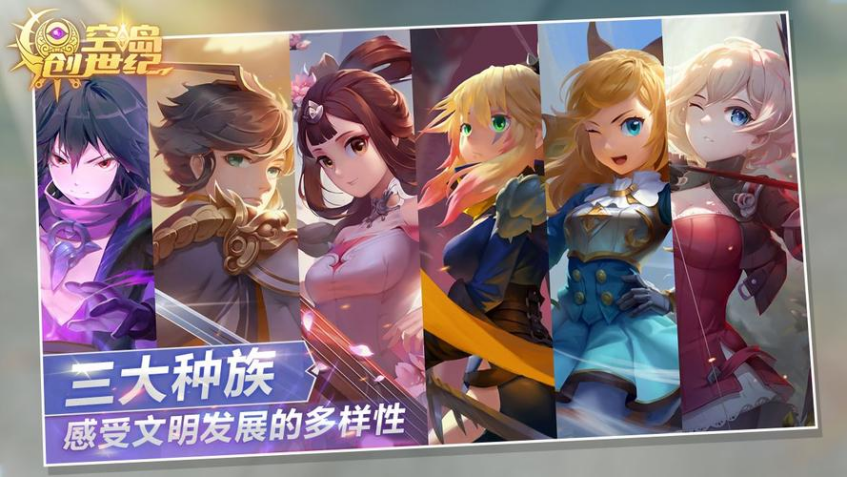
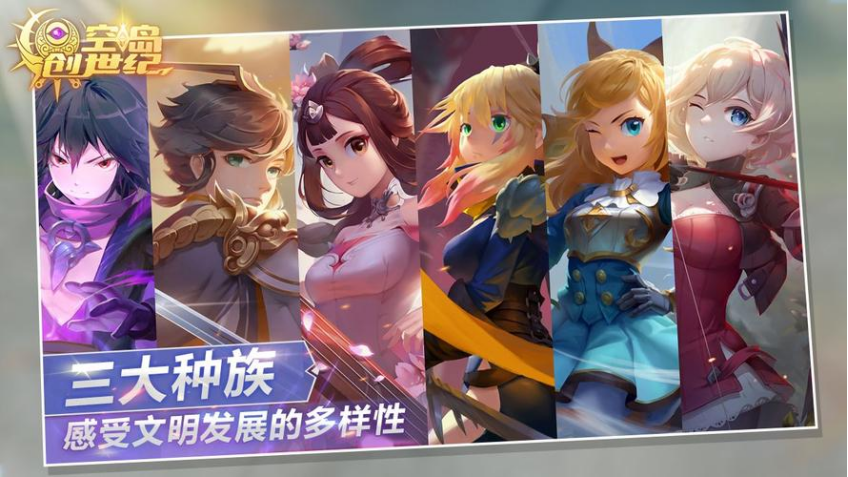
In-house development was pursued in parallel. Kuaishou initially built teams in Beijing, Shanghai, Hangzhou, and Guangzhou, establishing studios including Ark, Epoch, Kuaiyou, and Echo to explore light-to-midcore games, SLGs, casual games, and action MMOs, respectively. The product portfolio during this phase was relatively scattered. Projects including Ironclad Manager, Age of Conquest, Colossus Civilization, Sky Island Genesis, and Song of the Stars were initiated or tested, but most did not formally reach the market. One of the few titles to launch, Rhythm of Nonstop, did not change the overall business's limited scale.
After its platform, investment, publishing, and in-house development efforts all failed to produce stable results, Kuaishou upgraded its game business department into a dedicated games business unit in October 2021 and proposed establishing studios in Beijing, Shanghai, Hangzhou, Shenzhen, Guangzhou, and Chengdu. One month later, Tanzhi Universe was incorporated, marking the beginning of Kuaishou Games' second round of organizational expansion.
The focus of this adjustment was a shift from broad experimentation toward specialized in-house development. Xu Jie, head of Tanzhi Universe, previously led Zhurong Studio under NetEase's ThunderFire division. The core leaders responsible for art, technology, studio groups, and publishing also largely came from companies such as NetEase, Kingsoft, and Changyou. According to the project team, approximately 80% of the Lord of Mysteries team came from NetEase Games, indicating that Kuaishou hoped to draw on an experienced team to fill its gap in large-scale game development.
The business structure changed accordingly. The original standalone studios were gradually integrated into games business units for Beijing, the Yangtze River Delta, and the Pearl River Delta. Licensed publishing became less important, while in-house development and self-publishing became Tanzhi Universe's main direction.
Professional teams and greater investment did not immediately produce stable output, however. In July 2023, Journey to the West: Burning Soul, developed by Beijing-based Echo Studio, launched. It was one of Kuaishou's earlier heavily funded in-house hardcore projects, but its market performance failed to cover development costs. The Beijing team subsequently continued testing projects such as Codename: Beisan. After their data fell short of expectations, Kuaishou disbanded its Beijing in-house game project team in March 2024, contracting the development structure to the Yangtze River Delta and Pearl River Delta operations.
The Yangtze River Delta team continued advancing a new batch of Tanzhi Universe products. The action roguelike Endless Dreams launched in November 2024, followed by the open beta of the side-scrolling runner Chrono Runner in December. Both products received some publishing resources, but their positions on the top-grossing charts were short-lived, and subsequent version and official content updates gradually declined.
After these products fell short of expectations, Tanzhi Universe continued adjusting its Shanghai team in 2025. Some projects and personnel were transferred to Hangzhou, and development resources became increasingly concentrated on Lord of Mysteries. The organization, which had originally covered multiple cities and genres, gradually evolved into a structure centered on Hangzhou and operating around a small number of priority products.
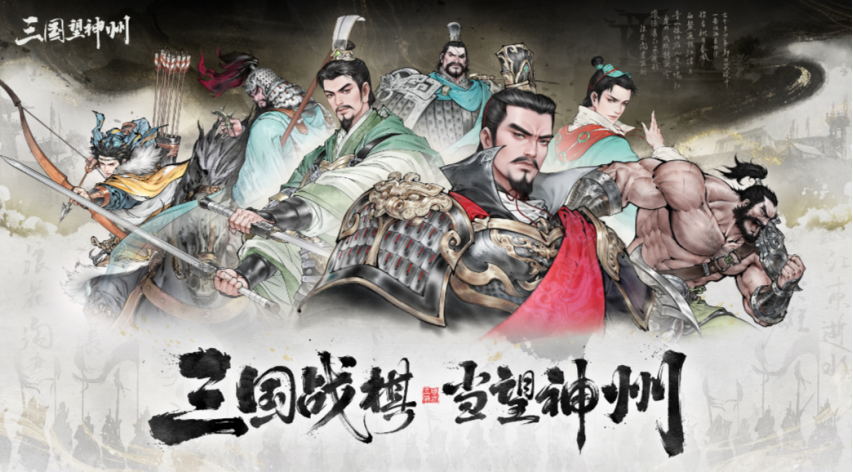
New games still launched during this period. On October 23, 2025, the ink-wash tactical game Three Kingdoms: Aspiration entered open beta, while projects such as Ruins of Myriad Embers received publishing licenses or entered the public-information stage. In terms of team size and investment, however, Lord of Mysteries remains the largest project since Tanzhi Universe was established and the one with the most direct impact on the company.
This concentration can reduce the pressure created by advancing multiple high-cost projects simultaneously, but it also magnifies the impact of a single product. The performance of Lord of Mysteries affects not only the profit or loss of one game, but also whether Kuaishou will continue to give large in-house projects sufficiently long development and operating cycles.
If Lord of Mysteries can achieve stable performance, Kuaishou will gain more than revenue. It can accumulate at least three types of assets: first, technical and engineering experience with a large cross-platform UE5 project; second, a hardcore development team that has completed a full cycle of development, open beta, and long-term operations; and third, integrated capabilities in adapting a leading online-literature IP, operating its community, monetizing it, and eventually taking it overseas.
04
The Domestic Launch Is Only the Starting Point
Long-Term Operations and Overseas Expansion Are the Real Tests
Based on current results, Lord of Mysteries has met its short-term objectives in the Chinese market. The next issues to watch are whether subsequent story content, Pathway updates, dungeons, and large-scale battlegrounds can retain users, and how overseas publishing progresses.
The project team previously stated explicitly that Lord of Mysteries carries an MMO plan to 'establish itself in China and publish globally.' Compared with the martial-arts and xianxia themes common in Chinese MMOs, its Victorian era, steam-powered cities, and occult presentation are closer to visual genres familiar to global users. The original novel has also accumulated a degree of readership overseas, providing a starting point for international expansion.
If the game can maintain revenue after its initial launch popularity subsides and successfully enter overseas markets, Kuaishou Games will have an opportunity to establish a flagship spanning development, publishing, and long-term operations. This could also help subsequent projects secure more internal resources.
For Kuaishou, therefore, the significance of the game can be divided into short- and long-term dimensions.
In the short term, it has helped Kuaishou Games regain industry attention and has finally given Tanzhi Universe a hardcore product capable of sustaining both discussion and data performance after several titles came under pressure. In the long term, the real question is whether Kuaishou Games can evolve from 'platform traffic capability' to 'product creation capability.'
In summary, Lord of Mysteries has given Kuaishou another opportunity to prove itself, but the final answer will take time.