文
A


October New-Game Data | I Am MT: Rise Leads Domestic Revenue; Kakao’s New Release Exceeds RMB 219 Million in Its Launch Month; Tencent’s New Monster Hunter Game Stands Out
In October, the supply of new releases in China remained limited after the summer season. Leading products nevertheless pulled ahead through established IPs and publishers’ strong ability to convert users into paying players. Overseas markets had more new releases, with high-spending markets such as South Korea and Japan contributing most of the month’s revenue. Globally released casual and lightweight titles played a larger role in acquiring users at scale, but revenue conversion remained limited. A clear gap persisted between download volume and revenue performance.
First, we revisit products launched in late September that remain under observation in this edition. Published by Gorilla Game Studio (猩球科技), Danke Zhanji! (弹壳战机!) comes from a team with development experience on titles such as Survivor.io and Archero. In October, its operations focused more on retaining launch users and extending progression goals. During the National Day holiday, the official team offered a holiday pack containing 1,000 diamonds, 10 Ace Keys and a chip chest, alongside daily supplies to encourage logins. Open-beta events continued according to server age, successively introducing Star Sea Fishing Season, Galactic Vein and Star City Encounters. These added resource-acquisition and collection goals to support further revenue growth.
Aniimo (伊莫), developed by Pawprint Studio and published domestically by Quletang Network (趣乐糖网络), continued to sustain interest through pet collection, cosmetic updates and home activities. The October 16 update increased mutation chances for Moondew Radish and Fullmoon Pepper and improved related event rewards. At the end of the month, the game introduced Harvest Gathering and the second part of S1, Setting Out with the Wind, further expanding planting, production and home interaction to provide recurring collection goals and interactive content. The domestic version ultimately recorded estimated first-month revenue of $1.23 million.
Turning to October’s new releases, six games again met our ranking’s inclusion criteria. The number was modest compared with previous months, but revenue performance diverged clearly. We continue to use estimated revenue for the month as the main measure in this brief analysis of key October releases.
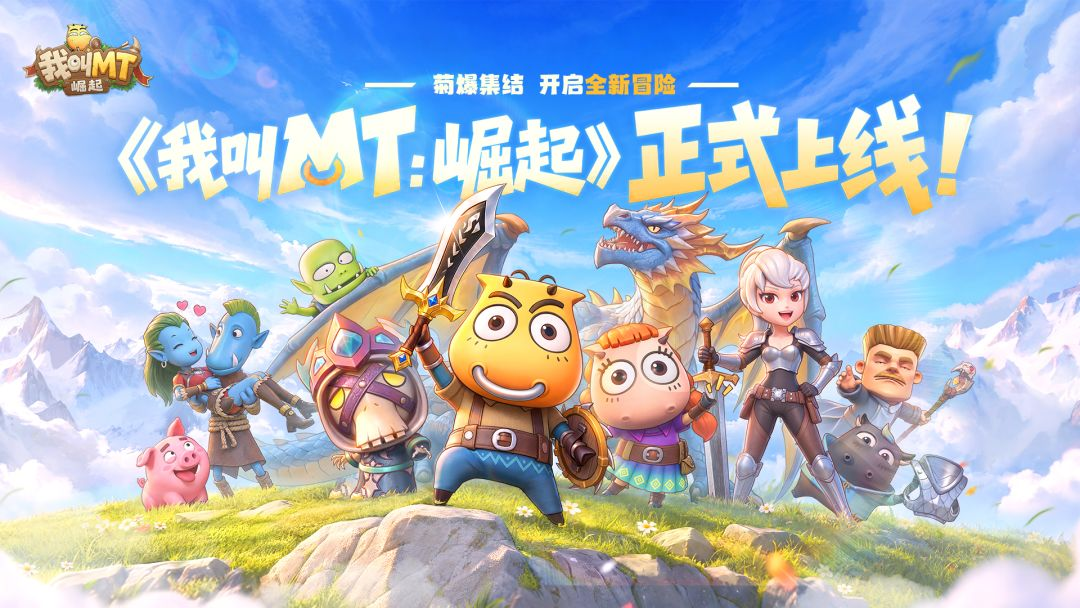
Among October’s releases, I Am MT: Rise (我叫MT:崛起), released by Hangzhou Yezi Chuanqi (杭州椰子传奇), stood out. DianDian data shows more than 2.07 million downloads and over $12.99 million in estimated revenue for the month, equivalent to approximately RMB 86.76 million. Based on the officially licensed I Am MT IP, it brings familiar characters such as Ai Mu Ti and Sha Man into idle card gameplay. Three factions—Horde, Alliance and Fel—and five-character lineup building preserve strategic choices. Familiar characters, accessible progression and continuing team development provide an experience tailored to the series’ users.
Launch promotion centered on IP nostalgia and online-offline interaction. Before launch, the Share Your Memories with MT campaign recalled returning users’ shared experiences of the animation and earlier games. During open beta, official livestreams, pre-downloads and screenshot-sharing activities encouraged community participation through vouchers, monthly passes and merchandise giveaways. The game also appeared at the Qiandao Lake Creative Lifestyle Week in Hangzhou, which opened on October 15, turning familiar IP characters into an interactive offline experience. Alongside sustaining emotional connections with core users, these efforts used cultural and tourism settings to reach potential users beyond gaming communities.
In-game launch operations closely connected reward distribution with hero progression. Beyond the launch Thousand-Draw Mystery Box, a late-October update added protagonist outfits and previewed events such as Golden Coast and Arena of Glory for servers meeting the required age. These provided continuing milestones to stimulate revenue growth. An established IP audience, lighter daily play and monetization centered on hero collection and development together formed the basis of the strong opening.
Next was Basketball Girls: Leap to the Top (篮球少女:飞跃巅峰), developed by Hei Manbo Studio (黑曼波工作室) and published by Lingxi Games. Its combination of basketball and the development of female athletes gave it a distinctive position in China. An officially licensed NBA collaboration was central to launch marketing. Sharing activities and seven-day missions offered co-branded avatar frames and All-Star jerseys, embedding the collaboration in both promotion and gameplay. Launch operations focused on training, stage progression and continued logins. A training plan offered a total of 200 club-member recruitment letters, alongside seven-day growth and sign-in activities, helping players establish initial lineups and learn the training-and-match loop. Its late-October opening had already attracted an initial user base of meaningful scale.
Dicheng Shoulie (地城狩猎), published by Fenglin Xinxi (风林信息), had already launched its domestic Android version in mid-August. Centered on dark-fantasy loot hunting, it combines skill builds, inscription combinations and in-run Divine Selection in a three-layer strategy system. Around its mid-October iOS launch, the team ran a group-formation campaign through October 25, encouraging friend invitations with custom outfits, avatar frames and draws for physical gold prizes. At month-end, a Halloween Carnival opened for servers at least 10 days old. Continuing updates expanded equipment and combat-power progression goals. The title generated more than $1.91 million in estimated October revenue.
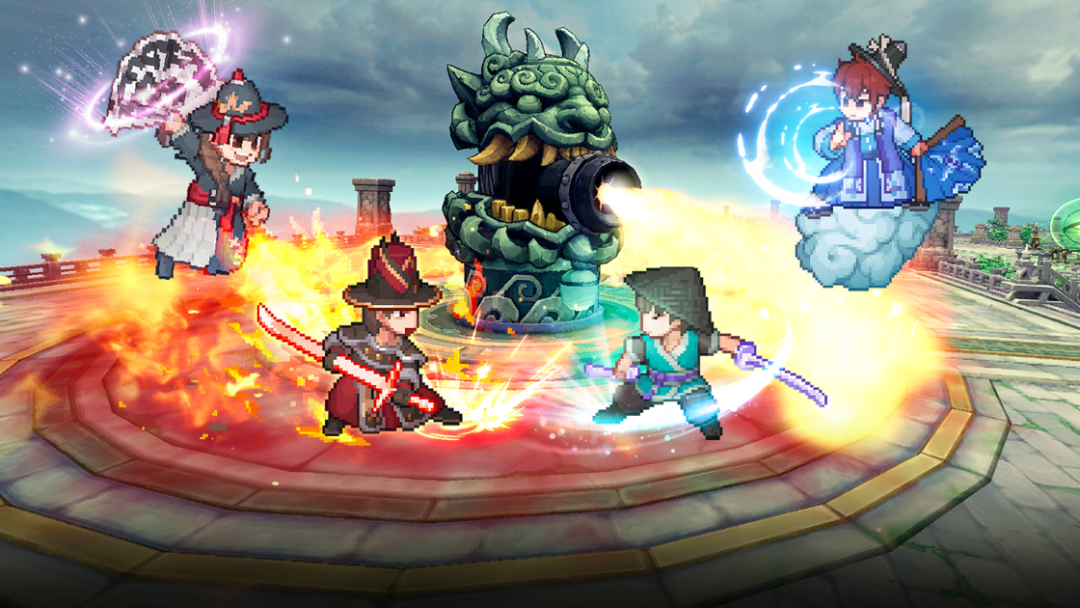
Seasun Games released Jianxia Shijie 4: Wuxian (剑侠世界4:无限), the concluding installment in the JX World series. It retains the series’ established MMO content and adds a seamless world map, five schools and dual-weapon switching to strengthen the social experience of adventuring together through the martial-arts world. Guild pre-creation, an open-beta livestream with streamers Da Sima and Daimei’er, and a JX Hall of Fame campaign brought returning players and guild groups together before launch. After launch, 100-draw rewards and pre-registration milestones helped drive an early revenue surge. Estimated revenue peaked above $130,000 on the Double Ninth Festival.
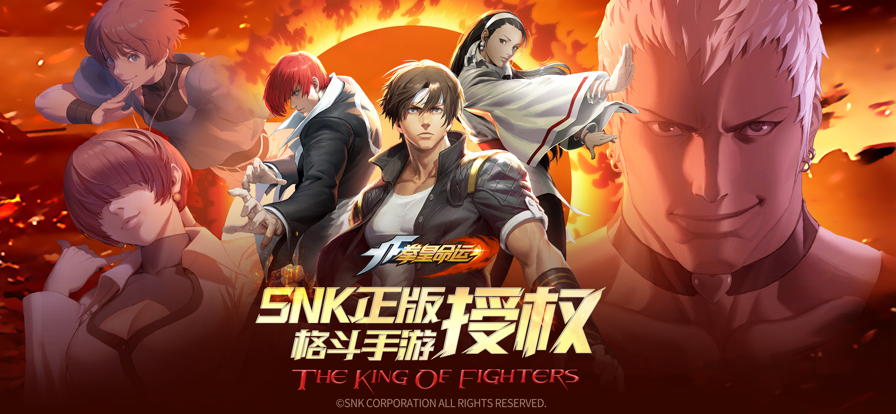
The final releases were Xingtu Tiancheng (星途天城), from Mengqu Games (梦趣游戏), and The King of Fighters: Destiny (拳皇·命运), published by Hoolai Games, toward the end of the month. The former emphasizes a steampunk mythological world, three-stage Astral progression and elemental class combinations, attracting users with enhanced pre-registration rewards, limited cosmetics and key mythological Astrals. The latter draws on the officially licensed SNK IP and returning characters such as Kyo Kusanagi and Iori Yagami, supported by generous launch rewards and events. Both arrived relatively late, with overall performance around the middle of this edition’s ranked products. We will continue tracking their first-month results in the next edition.
Turning overseas, 14 October releases were included in this edition. New-release volume and downloads again exceeded those in China, but revenue remained concentrated in a few regional markets and leading products. South Korean releases stood out on revenue. Japan continued to show a pattern of smaller download volumes, high spending and established IPs. Globally released casual and lightweight products contributed substantial downloads, but revenue conversion was relatively limited.
Among late-September overseas releases, Aniimo, published by Pawprint Studio, maintained user interest in October through open-world exploration, collection and progression. During the launch season, the official team increased creature spawn rates and introduced limited-time capture missions, outfit and cosmetic activities and an ongoing reward track. These turned exploration into clearer milestones and strengthened incentives to collect and return. The overseas version ultimately recorded more than 3.78 million downloads and $8.06 million in estimated revenue, outperforming the domestic version in both first-month downloads and revenue.
Evolens Games’ Banye Bie Xiuxian (半夜別修仙) recorded more than 350,000 downloads and over $6.96 million in estimated first-month revenue. Despite covering only 16 markets, its revenue approached that of the globally released Aniimo. Its differentiated positioning combines supernatural tales, idle play and cultivation, using midnight and the meeting of yin and yang as thematic hooks alongside text-based cultivation and idle adventures. The opening results again demonstrate the spending potential of Chinese light-horror themes in Chinese-speaking and Southeast Asian markets.
Finally, H2T GLOBAL’s Steal Escape recorded more than 2.4 million downloads in its first month. It combines 3D cartoon visuals, runner-style escape and pet progression in a loop of stealing eggs, escaping, hatching pets and earning idle currency. Its popularity demonstrates the recent global appeal of egg-stealing escape runners, although monetization remains to be observed.
Returning to October’s ranked new releases, we again divide overseas products into tiers by revenue. The first tier consists of Kakao Games’ Dokkaebi-ui Segye (도깨비의세계). Set against Korean folklore, it combines 2D pixel characters with 3D environments in a 2.5D visual style. Character customization, mount collection, freely combined skills, faction cooperation and offline progression form the core experience. This distinctive identity helped it generate more than $32.88 million in estimated launch-month revenue in South Korea, equivalent to approximately RMB 219 million.
Before launch, the official team steadily shared worldbuilding, character and gameplay information through the website, community, YouTube and its own Kakao channel, emphasizing Korean themes and personalized progression. After launch, operations focused on offline rewards, faction cooperation and character growth. The first-month update added Dimension Occupation Battles, expanding multiplayer competition and milestone goals. The game used its distinctive theme to open the market while again demonstrating South Korea’s mature environment for spending on mid-core and hardcore mobile games.
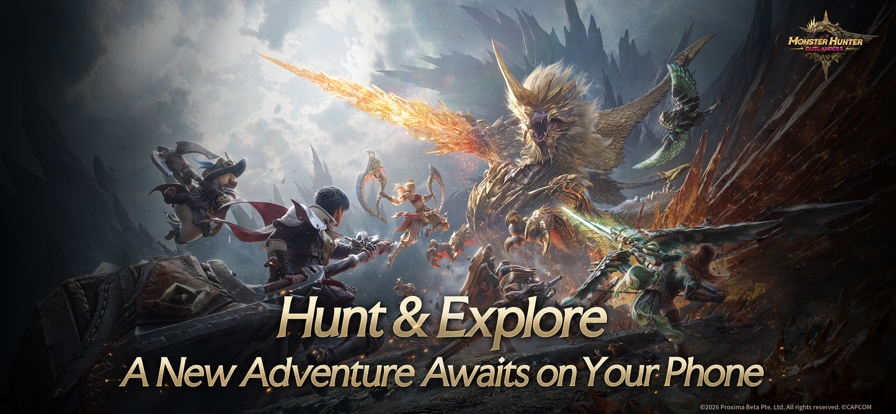
The second tier is Monster Hunter Outlanders, based on the Monster Hunter IP and published by Tencent’s overseas publishing brand Level Infinite and Garena Online. Rather than relying only on familiar IP characters, it emphasizes the experience of returning to a hunting world on mobile. It builds on existing series knowledge while using open-world and multiplayer gameplay to reach a wider mobile audience. Estimated revenue exceeding $8.56 million in its first three days offers an initial indication of the commercial potential of combining IP appeal with mobile gameplay.
Two products with revenue in the multi-million-dollar range form the third tier. The first is NEXON’s Mabinogi Mobile (マビノギモバイル). It reworks the classic Mabinogi IP into mobile adventure and life simulation. While retaining the world of Erinn, it adds a standalone story, level-progression cards, rune skills and everyday activities such as fishing, cooking and gathering. Its established lightweight design approach targets both traditional MMORPG users and players who prefer casual life-simulation gameplay. This relaxed, social, everyday-life experience is also well suited to Japan, where the game generated an estimated $5.73 million from 440,000 downloads in its launch month.
The second is Duck Survivor (ダックサバイバー), released in Japan by Joy Net Games. The international version, Duck Survival, had previously launched in May, followed by the Hong Kong, Macao and Taiwan version, Gaga Tegong (嘎嘎特工), in August. Its core gameplay and operating framework had therefore already been tested across multiple markets. Set around duck soldiers fighting a zombie virus, it combines roguelike shooting, tower defense and survival. Cute duck characters give it a distinctive identity and provided a mature product foundation for its Japanese launch this month.
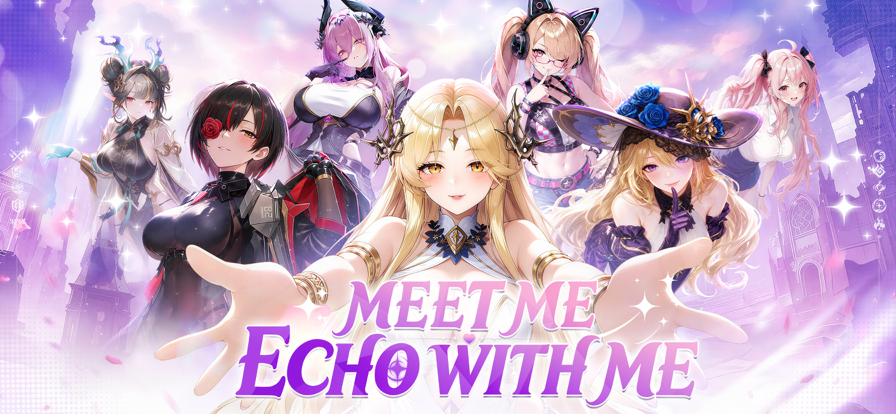
Three products with revenue above $1 million form the fourth tier. The first is Girls Echo, a fantasy strategy RPG from HOWLYO GAME centered on collecting and developing goddesses. It emphasizes high-quality character animation and combines offline progression, team strategy and character bonds. Interactions unlock exclusive stories and endings. Promotion and operations therefore focus on characterization, collection, progression and emotional connections. New goddesses, limited-time stories and collaborations that reinforce collection demand and the value of those bonds will be key to future revenue growth.
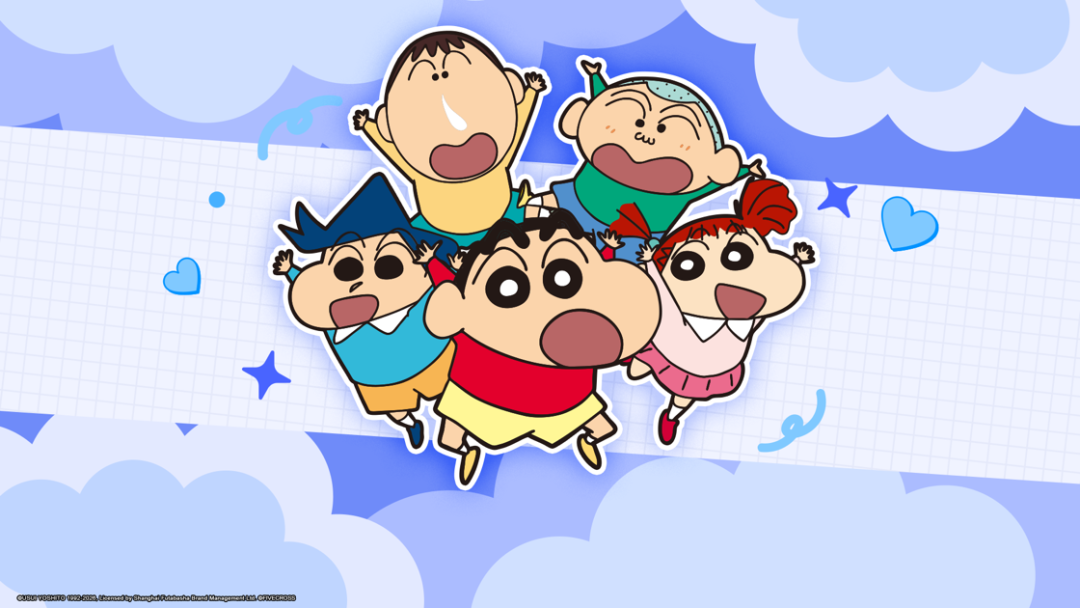
The other two are anime-IP titles Crayon Shin-chan: GO! (蠟筆小新:GO!) and Pachislot L Tokyo Ghoul (パチスロ L 東京喰種). The former, released by 5X Entertainment under an official Crayon Shin-chan license, features idle mystery-box opening, crayon drawing, character collection and cosmetic progression. Familiar locations such as Kasukabe reinforce users’ memories of the IP. The latter, released by CommSeed, simulates a Tokyo Ghoul-themed pachislot machine, emphasizing its gameplay and music. Monetization includes purchasing the app, unlocking functions and buying sound packs. Both reach core audiences through anime IPs, but the former expands its audience through free idle gameplay, while the latter serves a precise niche with a faithful machine simulation. This produces a clearer difference in revenue per user.
For October’s new releases, IP familiarity, regional publishing and launch acquisition still helped products enter the market quickly. Short-term download growth, however, cannot be equated directly with long-term commercial value. Stable retention and sustained spending remain the key measures of these products’ longer-term performance.