文
A

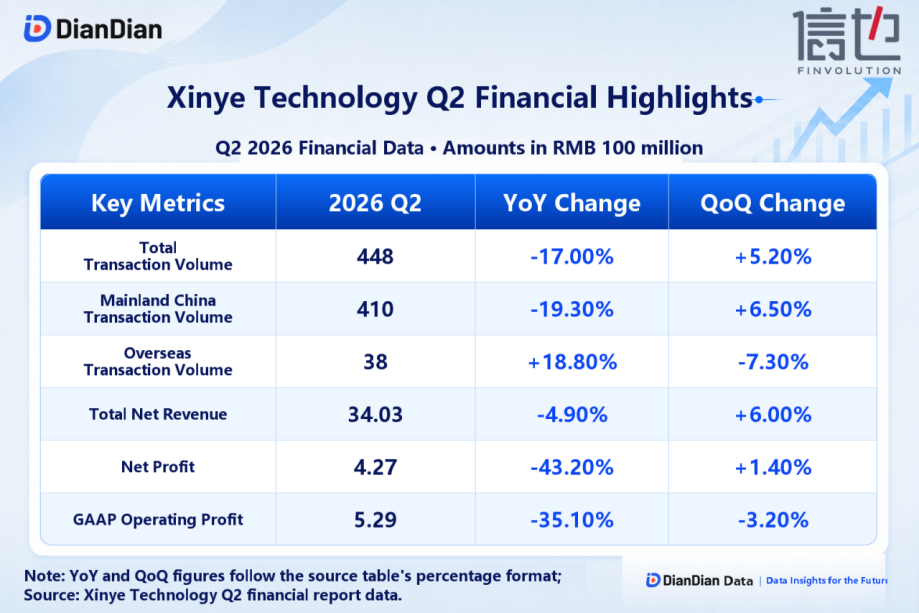
In Q2, the company recorded total net revenue of RMB 3.403 billion, down 4.9% year on year, while net income fell 43.2% to RMB 427 million. By business segment, however, overseas revenue increased 18% year on year and overseas operating profit more than doubled from the same period last year, making international operations the clearest structural bright spot of the quarter.
Behind this strength, the divergence between a pressured domestic business and fast-growing overseas operations became more firmly established. Indonesia, the Philippines, and Australia also progressed at different speeds, respectively serving as the main contributor, adapting to regulatory changes, and expanding as a new source of growth.
I. Financial Performance: Year-on-Year Revenue Pressure, but Resilient Profitability
Looking at the core financial indicators, year-on-year pressure in Q2 remained concentrated on both revenue and profit, although modest sequential improvement had begun to emerge. Total net revenue rose 6.0% from Q1, net income increased by approximately 1.4% quarter on quarter, and non-GAAP net income reached RMB 470 million, continuing to edge up from RMB 459 million in Q1.
On the revenue side, the year-on-year decline in total net revenue was mainly attributable to lower transaction volume in the Chinese mainland. Together with the contraction of risk-bearing businesses, this led to decreases in loan-facilitation service fees, post-facilitation service fees, and guarantee income.
Overseas operations continued to provide structural support. International revenue reached RMB 930 million in Q2, accounting for approximately 27.3% of group revenue and rising 18% year on year. Overseas operating profit was RMB 53.6 million, more than double the level a year earlier, extending the trend of contributions from both revenue and profit.
On the profit side, Q2 GAAP operating profit was RMB 529 million. It was affected by approximately RMB 63.8 million in intangible-asset impairment charges and was slightly lower than in Q1. Non-GAAP net income rose modestly to RMB 470 million from RMB 459 million in Q1, indicating that profitability retained a degree of resilience after excluding one-off disruptions.
II. Revenue Mix: Sequential Domestic Recovery and Continued Year-on-Year Overseas Growth
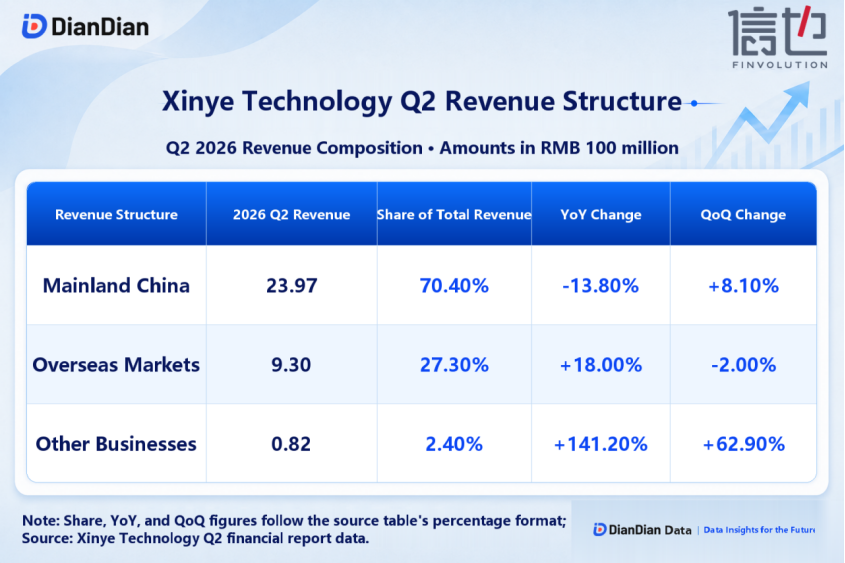
FinVolution Group's revenue mix shifted structurally in Q2. Revenue from the Chinese mainland was RMB 2.397 billion, accounting for 70.4% of the total; overseas revenue was RMB 930 million, or 27.3%; and other businesses generated RMB 82 million, or 2.4%.
By region, revenue from the Chinese mainland fell 13.8% year on year, remaining under pressure from the contraction in transaction volume. It nevertheless rose 8.1% quarter on quarter, showing some recovery in Q2 compared with Q1.
Overseas revenue increased 18.0% year on year but edged down 2.0% from Q1. Management explained on the earnings call that the sequential decline was partly caused by a deliberate slowdown in lending in the Philippines. A new interest-rate cap took effect there on April 1, and the company adopted a more cautious strategy during the first half of the year, intentionally slowing local loan originations. Other businesses grew sharply from a small base—up 141.2% year on year and 62.9% quarter on quarter—but still had a relatively limited impact on overall revenue.
III. Overseas Markets: Performance in Three Countries Validates the Quality of International Growth
Overseas growth continued year on year, but the pace has diverged across markets. Based on Q2 disclosures and monitoring by Diandian Data, Indonesia, the Philippines, and Australia each displayed a different operating profile.
1. Indonesia Strengthens the Base: Stable AdaKami Acquisition and Offline BNPL Expansion
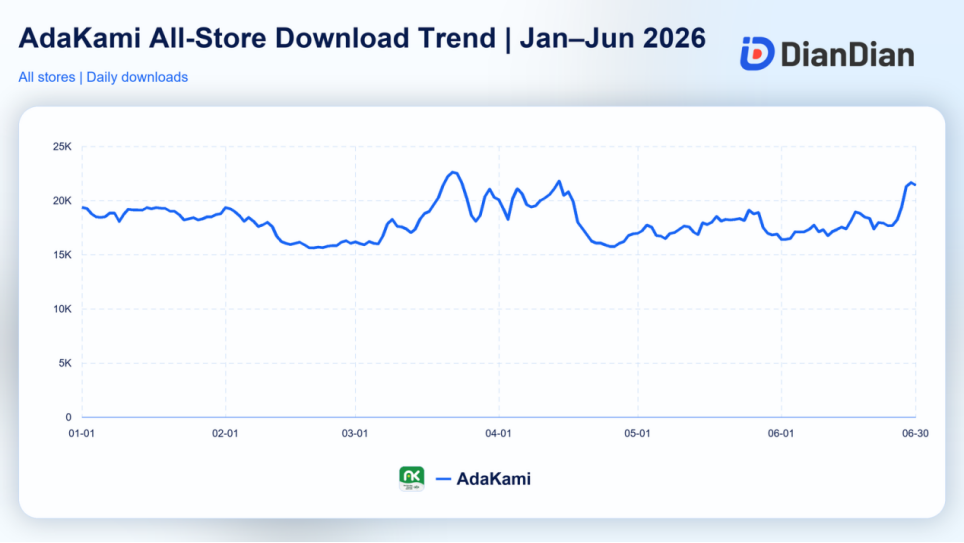
Indonesia remains the main engine of FinVolution Group's overseas business, contributing more than 50% of international transaction volume and revenue. Diandian Data shows that AdaKami maintained steady customer acquisition in Q2: total downloads reached 1.6484 million for the quarter, up 1.6% sequentially, while average daily downloads were 18,100, broadly unchanged from Q1.
More importantly, growth in Indonesia no longer depends solely on online cash lending. Offline buy now, pay later (BNPL) accounted for approximately 25% of local transaction volume in Q2, significantly higher than a year earlier. FinVolution Group's product mix in Indonesia is expanding from standalone lending into offline consumer scenarios.
2. The Philippines Reshapes Its Business: JuanHand's Active Users Reach a First-Half High in June After a Deliberate Pullback
The Philippines was the main source of disruption in the overseas business this quarter. After the new interest-rate cap took effect on April 1, FinVolution Group deliberately slowed local lending and raised its risk-control thresholds to adapt to the new pricing environment.
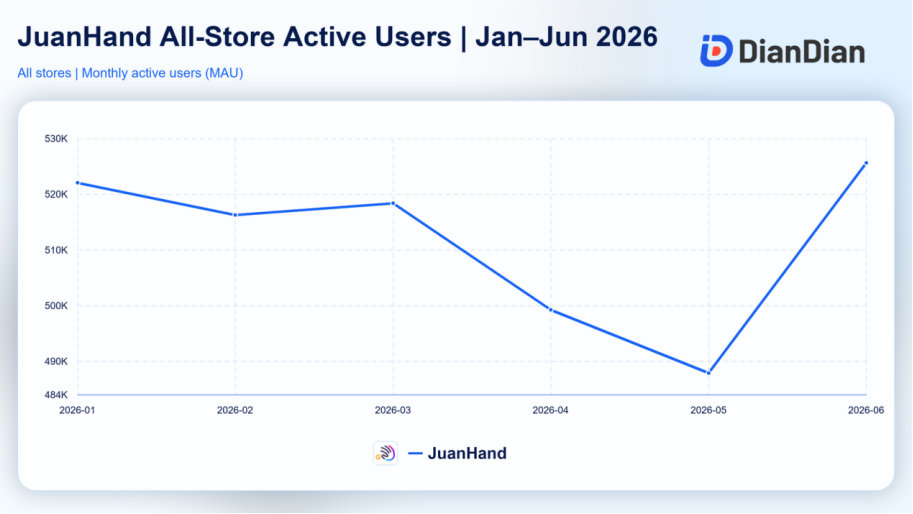
JuanHand's active-user count fell before recovering during Q2. Monthly active users declined to 499,700 in April and slipped further to 488,700 in May, before rebounding strongly to 525,700 in June. The figure not only returned above 500,000 but also reached a new high for the first half of the year.
This indicates that after adjustments in the first two months of the quarter, signs of recovery had emerged in the Philippines by June. In the short term, the sequential rebound suggests that user demand did not weaken materially. From an operating perspective, however, the business will still need time to recover, making Q3 an important period to watch.
3. Australia Adds New Growth: Fundo's Monthly Active Users Rise 50.79% Quarter on Quarter and Transaction Volume Grows 17%
Australia is a relatively new market in FinVolution Group's overseas footprint and an incremental growth area highlighted by management. According to the company's financial disclosures, Fundo's number of unique borrowers increased 22% quarter on quarter in Q2, while transaction volume rose by approximately 17%.
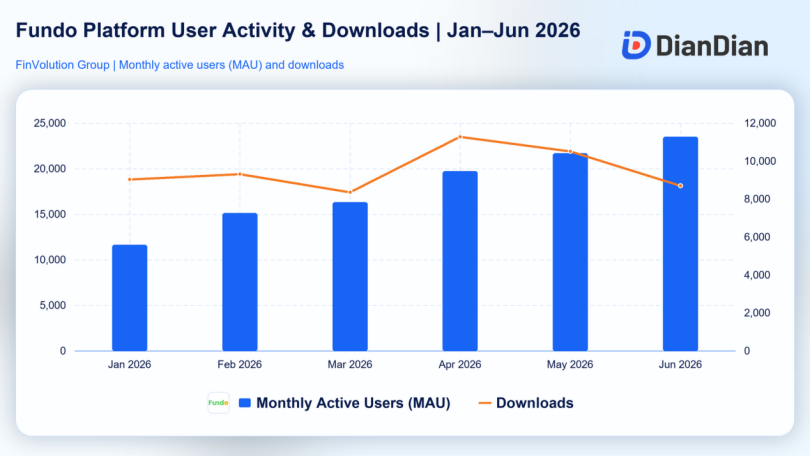
Diandian Data shows that Fundo averaged 21,800 monthly active users in Q2, up 50.79% from Q1. Cumulative downloads reached 30,500, an increase of 14.20% quarter on quarter. The simultaneous rise in user activity and downloads was broadly consistent with the growth in borrowers and transaction volume disclosed in the financial report.
Diandian Data believes Australia's value lies not only in growth during a single quarter, but also in providing FinVolution Group with an operating model for entering mature markets. If customer acquisition, risk management, and funding costs continue to prove viable, Australia could become a higher-quality contributor to overseas profitability.
IV. Localized Operations: From Business Expansion to Ecosystem Building
During Q2, FinVolution Group undertook a range of initiatives in Indonesia and the Philippines involving anti-fraud exchanges, financial education, and financial-inclusion partnerships. For overseas credit platforms, such localized investment does not translate directly into revenue growth, but it can influence long-term customer acquisition, risk-management communication, and brand trust.
1. AdaKami Participates in Indonesia's Anti-Fraud Initiatives, Strengthening Compliance and Risk-Management Communication
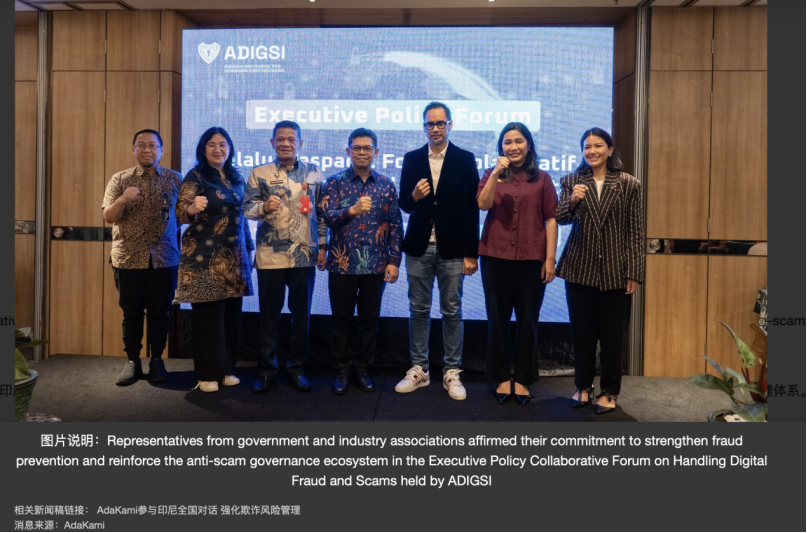
On April 24, AdaKami participated in a nationwide Indonesian forum on combating digital fraud and scams. Participants included the Anti-Scam Center of Indonesia's Financial Services Authority, the National Cyber and Crypto Agency (BSSN), the Indonesian Fintech Lending Association (AFPI), and the Indonesian Fintech Association (AFTECH). The parties discussed fraud-risk management and emphasized coordinated efforts, stronger fraud prevention, and development of a more robust anti-fraud ecosystem.
https://www.prnasia.com/story/530662-1.shtml
In Indonesia, where digital finance is growing rapidly while fraud and impersonation risks are also increasing, lending platforms cannot focus solely on origination volume. They must take a long-term view of trust, user protection, and risk-control capabilities; participate proactively in discussions on anti-fraud governance; improve industry safety; and strengthen the foundations of their own brand credibility and business sustainability.
2. AdaKami Announces FutureFin Competition Winners, Supporting Local Talent Development and Financial Education
On May 5, the FutureFin student innovation program, jointly organized by AdaKami and Indonesia's Sebelas Maret University (UNS), announced its winners. According to detikEdu, the program received 61 submissions, with 10 individuals or teams advancing to the final presentation. Winning topics included digital-lending fraud detection, explainable-AI credit scoring, and credit-limit optimization.
https://www.detik.com/edu/perguruan-tinggi/d-8484117/adakami-uns-umumkan-pemenang-lomba-karya-tulis-futurefin-ini-inovasinya
Centered on safe and responsible online lending, the program focused on fintech innovation and local talent development. It also reflected AdaKami's continued efforts to advance financial education and localized collaboration in Indonesia.
3. JuanHand and PalawanPay Form a Brand Partnership to Expand Financial-Inclusion Scenarios in the Philippines
On May 26, JuanHand and Philippine e-wallet PalawanPay formed a brand partnership during the Singapore FinTech Festival (SFF), aiming to enhance brand visibility, broaden user reach, and promote financial inclusion in the Philippines. The two parties said the partnership would help build a more complete local financial ecosystem and make trusted, convenient financial solutions more accessible to users.
https://www.juanhand.com/blog/juanhand-and-palawanpay-forge-brand-partnership-at-singapore-fintech-festival/
JuanHand said the partnership also represented important progress in its continuing effort to provide reliable lending services to users in the Philippines. Overall, the collaboration further demonstrates the company's continued expansion of its local financial-services network, user reach, and financial-inclusion scenarios.
Diandian Data believes localization initiatives do not translate directly into short-term revenue growth, but they shape the long-term operating reach of overseas businesses. For credit-technology platforms, anti-fraud engagement, financial education, and local partnerships are fundamentally infrastructure that reduces the cost of building trust and improves the efficiency of risk-management communication.
V. Summary: From Growth to Profitability, the Quality of Overseas Earnings Continues to Improve
If the key phrase for the overseas business in Q1 was still 'scaling up,' Q2 is better characterized as 'profit realization.' This shows that FinVolution Group's international operations are no longer merely a supplement to revenue, but have formed a more complete closed loop across products, use cases, and compliance capabilities.
Looking ahead, whether the company can achieve its full-year revenue guidance of RMB 11.5 billion to RMB 12.9 billion will still depend on whether overseas operations can continue to scale, whether credit costs remain under control, and whether markets including Indonesia, the Philippines, and Australia can keep delivering stable returns.
For FinVolution Group, the significance of Q2 lies not in a change of narrative, but in the fact that its overseas business has moved from simply 'talking about growth' to testing whether growth, risk control, and profitability can all be achieved at the same time.
Appendix: Domestic Update | FinVolution Group Donates RMB 2 Million to Support Mudslide Relief in Gyirong, Xizang
On August 26, a mudslide on the Nepal side of the border caused major casualties and missing persons at Gyirong Port in Gyirong County, Xigaze, Xizang. According to media reports, FinVolution Group subsequently activated its group ESG fund and donated RMB 2 million through the Shanghai Charity Foundation. The funds were designated for relief supplies, rescue-equipment purchases, and the resettlement of affected residents, supporting frontline emergency operations and basic living needs in the border area.
The company also opened a special assistance channel for users in the affected area, offering services including repayment extensions and interest relief. Diandian Data believes the significance of such initiatives extends beyond the donation itself: they also demonstrate how a credit-technology company can respond to users' repayment pressure, the need for flexible financial services, and the boundaries of corporate social responsibility during a disaster.